
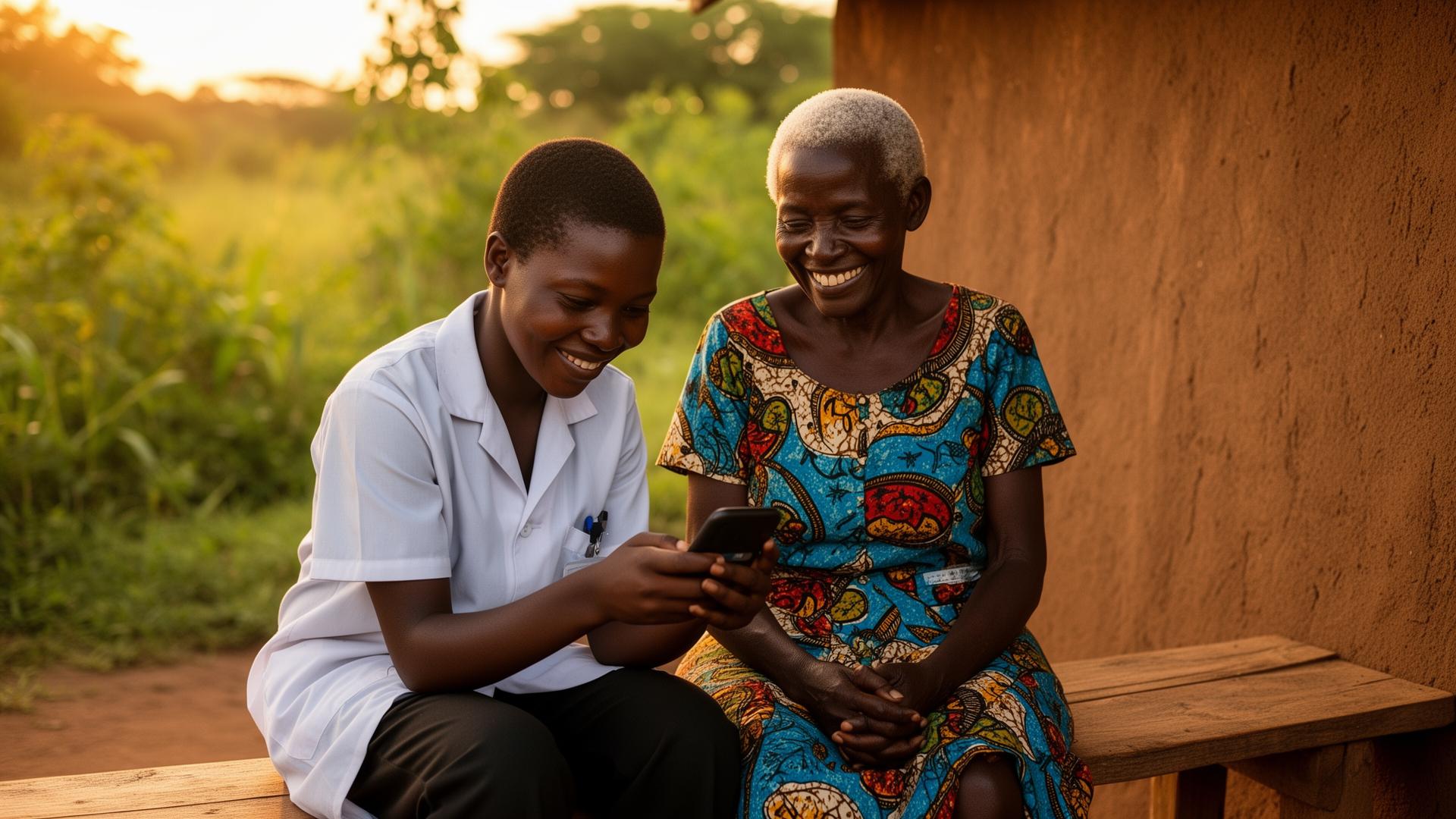
Better epilepsy care, powered by community and technology.
NeuroReach Africa reaches people living with epilepsy, their caregivers and the healthcare workers who support them, through children's books in classrooms, trained Epilepsy Champions in households, and digital tools that travel on the phones people already own.
Closing the epilepsy treatment gap across Africa, one conversation, one phone, one community at a time.
An estimated 80% of people living with epilepsy in sub-Saharan Africa do not receive the treatment they need. Stigma, distance, cost and a shortage of trained healthcare workers keep them apart from care.
We meet people where they already are, on their phones, in their homes, in their communities, with information they can trust and support they can feel.
A circle of care around every person with epilepsy
Our work supports four overlapping groups, because epilepsy is never carried by one person alone.
Patients
People living with epilepsy who deserve clear answers and connection.
Caregivers
Families and friends supporting a loved one day to day.
Healthcare workers
Doctors, nurses, clinical officers, pharmacists, community health promoters and volunteers across every level of care.
The wider public
Neighbours, teachers and employers, because awareness ends stigma.
Four ways we reach more minds
Digital education
Plain-language epilepsy information delivered through the mobile phones people already use.
Community support
Connecting patients, caregivers and healthcare workers so no one navigates epilepsy alone.
Treatment guidance
Practical tools that help people understand and stick with their treatment safely.
Multidisciplinary research
Real-world studies co-designed with doctors, nurses, pharmacists, clinical officers, community health promoters, public health practitioners and policymakers, alongside the communities they serve, in Kenya and Zimbabwe.
Starting in Kenya and Zimbabwe. Built to scale across Africa.
Our work begins in Kenya and Zimbabwe, two countries with vibrant communities, strong mobile networks and an urgent need to expand epilepsy care beyond the walls of a clinic. From this foundation, we are designing every tool and partnership to scale into other African countries as we grow.

Gentle stories. Big understanding.
Children's books that help young readers understand epilepsy, challenge stigma and choose friendship. KSh 550 in Kenya, from Jared Bookshop in Harare, and on Amazon.
Get the booksStay. Safe. Side. Saidia.
Four words that can save a life. Learn them in two minutes, teach them to a classroom, and make sure nobody is afraid of the child on the floor.
Learn the four stepsWhat community-driven looks like in numbers
Children reached with epilepsy education in schools
Books donated through KCB Foundation
Children's books published in the Friends Series
As featured on TV47 · KBC NewsCheck · Daily Nation · The Star Kenya · Coro FM
What we have been doing lately
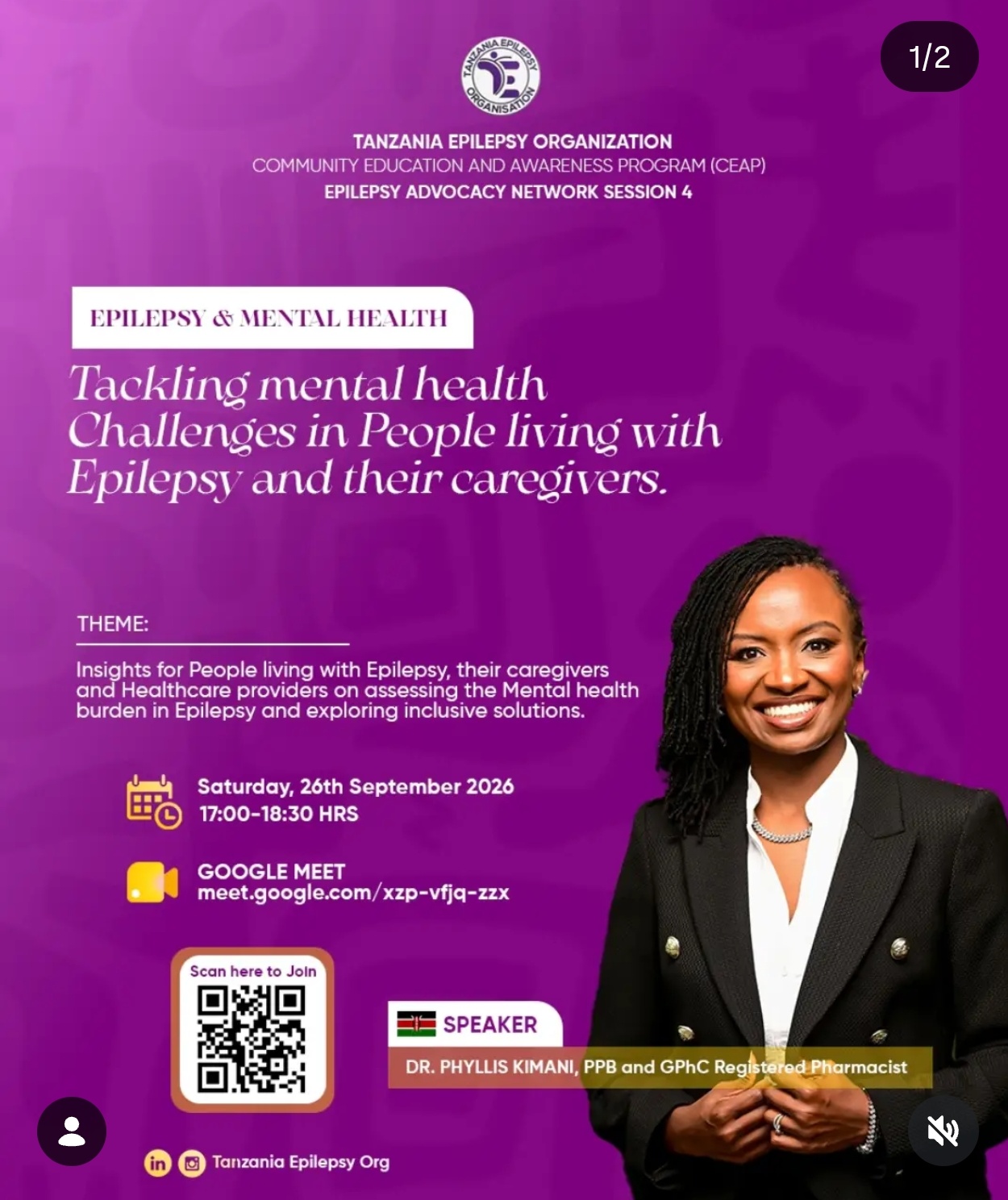
Tackling Mental Health in Epilepsy: Dr. Phyllis Kimani Joins Tanzania Epilepsy Organization's Advocacy Network
Dr. Phyllis Kimani delivered the entire Session 4 of the Tanzania Epilepsy Organization's Epilepsy Advocacy Network, on tackling mental health challenges in people living with epilepsy and their caregivers — a highly engaging session with people living with epilepsy, caregivers and healthcare providers across Tanzania.

Thank You, Aga Khan University Hospital: Our Children's Books Are Now in Select Clinics
Our NeuroReach Friends Series children's books are now available in select Aga Khan University Hospital clinics — bringing epilepsy education, understanding and inclusion to children and families at the point of care. Asante sana, Aga Khan University Hospital.
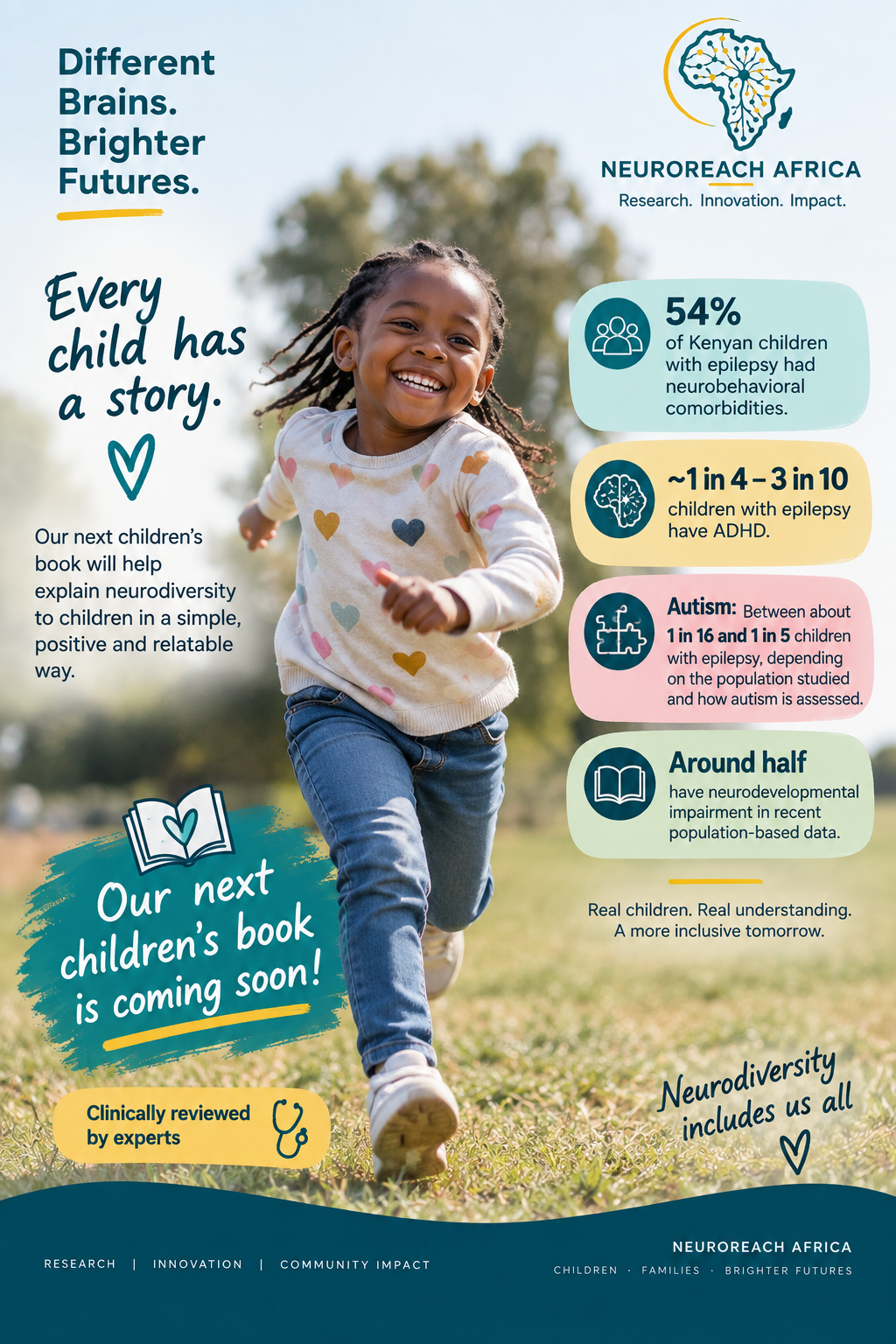
Different Brains. Brighter Futures. Our Next Children's Book Is Coming Soon
Every child has a story. Our next children's book will help explain neurodiversity to children in a simple, positive and relatable way — because different brains deserve brighter futures, and no child should feel alone in how their brain works.
Join us in reaching more minds.
Whether you're living with epilepsy, supporting someone who is, working in healthcare, or looking to partner, there's a place for you here.